Brittany is not just a destination for me. It is a place I return to again and again, each time discovering something new.
One of the great advantages of living in western France is that, within just a few hours of driving my campervan, I can reach the Breton coast. Once there, traveling becomes easy. Outside the busy summer season, I can stay close to the places I want to explore and enjoy them at a slower pace.
What I love most is visiting Brittany when the crowds have gone. In spring, for example, it is possible to stroll through the streets of Camaret-sur-Mer in the early evening and enjoy a completely different atmosphere. Without the noise and rush of the summer season, the harbor, the cafés, and the waterfront reveal their true character.
The Soul of Breton Harbors
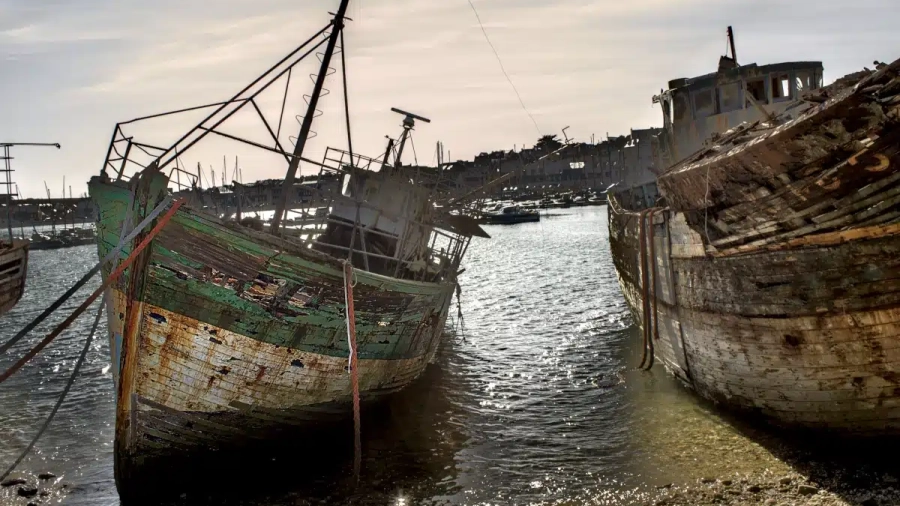
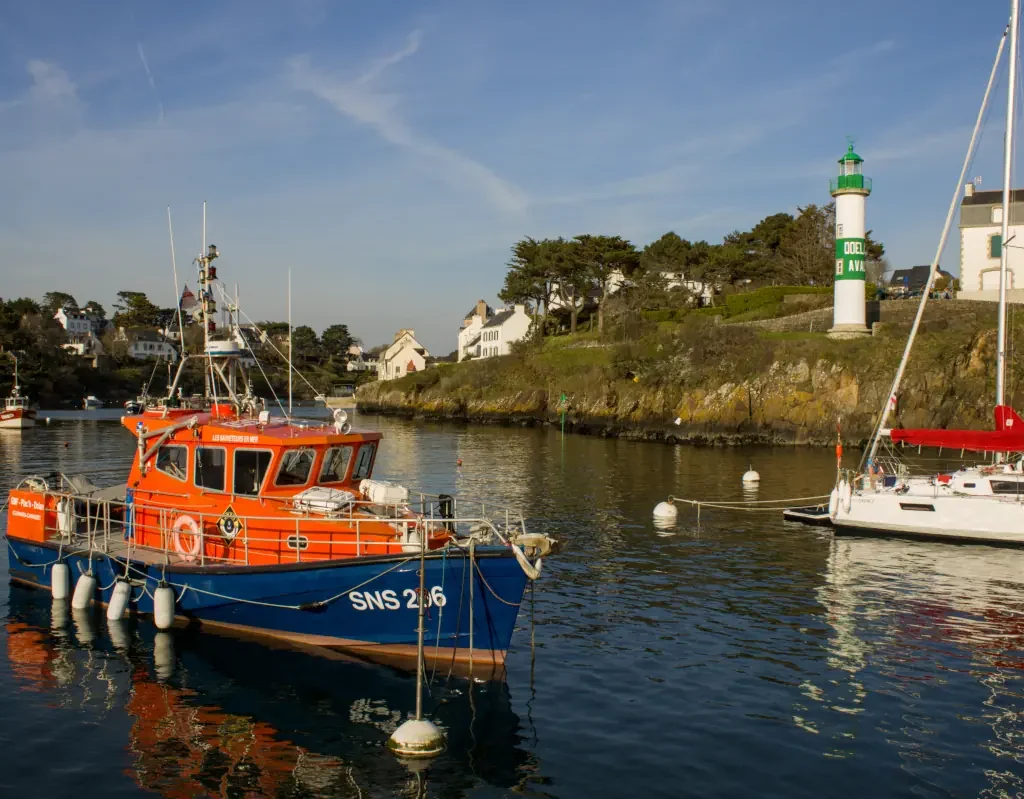
One of the things I enjoy most in Brittany is spending time in its harbors. Beyond their postcard beauty, they are places where daily life still follows the rhythm of the sea.
Whether it is a small fishing harbor like Doëlan or a more active port such as Camaret-sur-Mer, I enjoy simply walking along the quays, watching the boats, and observing the details that tell the story of a place. Outside the tourist season, these harbors feel more authentic. Fishermen prepare their equipment, locals stop for a coffee, and conversations unfold naturally.
For a photographer, harbors are constantly changing. The tide transforms the landscape, the weather changes the colors, and every hour brings a different atmosphere. Sometimes it is the golden light of the evening, sometimes the quiet mood of a cloudy morning that creates the most memorable images.
Churches and Hidden Heritage
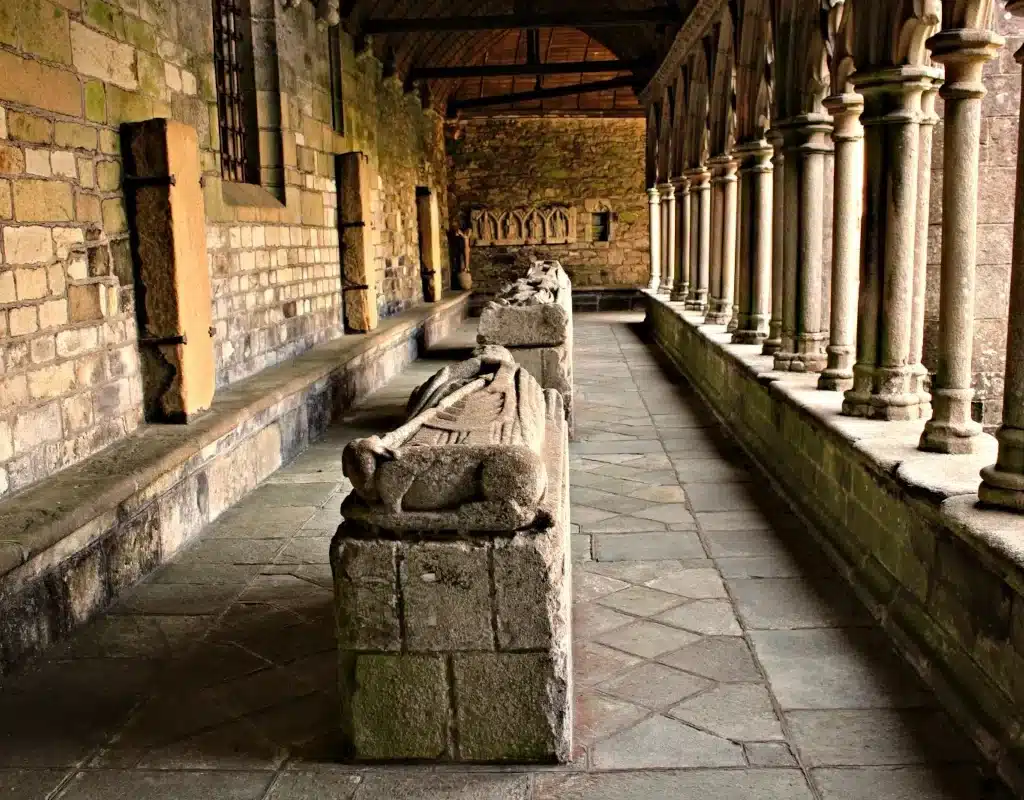
Beyond the coastline and the harbors, I am often drawn to Brittany’s churches. Even in the smallest villages, they reveal remarkable architecture, beautiful stained-glass windows, and centuries of history. These buildings are more than places of worship; they are witnesses to the life and traditions of local communities.
I enjoy stepping inside these quiet spaces, taking the time to observe the stonework, the wood carvings, and the details that many visitors overlook. For a photographer, they offer a different kind of beauty, one that speaks of heritage, craftsmanship, and the passage of time.